


Federal Reserve Interest Rate Cuts 2025 – Impact, Forecast & Market Reaction
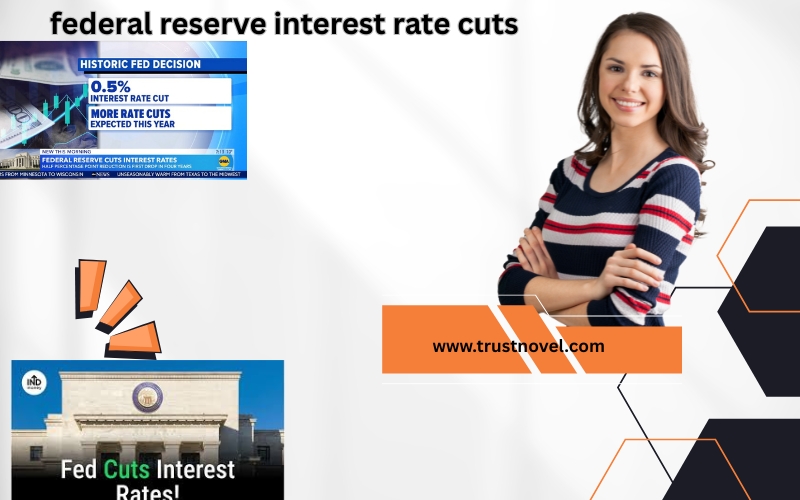
Understanding Federal Reserve Interest Rate Cuts and Their Impact
The Federal Reserve interest rate cuts are decisions made by the central bank to lower the cost of borrowing money. When the rates go down, it becomes cheaper for people and businesses to take loans, buy homes, or invest in new projects. This usually encourages spending and can help the economy grow during slow periods.
Lower interest rates can also affect savings because banks may give less return on deposits. Investors often react to these changes, which can influence stock markets and the value of the national currency. Businesses benefit from cheaper loans, allowing them to expand and hire more workers.
However, too many rate cuts over time can cause inflation, making goods and services more expensive. Understanding how these changes impact everyday life helps people make better financial decisions, whether it is borrowing money, saving, or investing.
Would you like me to make a few more variations in the same simple style for this subheading?
Why Federal Reserve Interest Rate Cuts Matter to the Economy
Federal Reserve interest rate cuts are very important because they influence how money flows in the economy. When the Fed lowers interest rates, it becomes cheaper for people and businesses to borrow money. This encourages spending and investment, which can help the economy grow. Lower rates also make loans for homes, cars, and businesses more affordable, giving a boost to markets.
At the same time, these cuts can affect savings because bank deposits earn less interest. Investors may look for other ways to grow their money, like stocks or real estate. Overall, rate cuts are a tool the Federal Reserve uses to support economic activity, reduce unemployment, and try to maintain price stability. They are watched closely because even small changes can have wide effects on everyday life, from the cost of loans to the performance of the stock market.
Would you like me to make a slightly simpler version for easier understanding for all non-English speakers?
Federal Reserve Interest Rate Cuts: A Historical Perspective
The Federal Reserve, often called the Fed, controls the money in the United States economy. One of its important tools is changing interest rates. When the Fed lowers interest rates, it becomes cheaper for people and businesses to borrow money. This usually encourages spending and investment, helping the economy grow.
Historically, interest rate cuts have been used during slow economic periods or crises. For example, during recessions, the Fed often reduces rates to boost consumer confidence and business activity. These decisions can also affect global markets, as many countries watch U.S. rates closely.
Over time, the impact of rate cuts has changed depending on economic conditions, inflation, and global events. Understanding this history helps people see why the Fed’s choices are important for everyone, not just Americans.
Would you like me to make another version that is even simpler for people with very basic English?
How Federal Reserve Interest Rate Cuts Affect Borrowers
When the Federal Reserve lowers interest rates, it becomes cheaper for people and businesses to borrow money. Loans for homes, cars, and personal expenses usually have lower monthly payments. This encourages people to spend more and businesses to invest in growth, which can boost the economy.
Borrowers with existing loans that have variable interest rates may also pay less each month, reducing financial pressure. On the other hand, lower rates can sometimes lead to higher demand for loans, which may make it slightly harder to get approval for some types of credit.
Overall, interest rate cuts by the Federal Reserve are designed to make borrowing easier and more affordable, helping households manage debt and supporting economic activity in challenging times.
The Role of Federal Reserve Interest Rate Cuts in Inflation Control
The federal reserve interest rate cuts play an important role in controlling inflation. When prices of goods and services rise too quickly, the Federal Reserve may reduce interest rates to help the economy. Lower interest rates make borrowing cheaper for businesses and people, which encourages spending and investment. This can help balance supply and demand in the market.
At the same time, these rate cuts can influence the value of money and overall economic growth. By carefully adjusting interest rates, the Federal Reserve tries to keep inflation at a stable level. This ensures that prices do not rise too fast, protecting the purchasing power of people. Understanding these actions helps everyone see how the economy stays balanced and why central banks make such decisions.
If you want, I can make 2–3 more alternative versions that are even simpler and more globally understandable for people who know very basic English. Do you want me to do that?
Federal Reserve Interest Rate Cuts and Stock Market Reactions
Federal reserve interest rate cuts often encourage the stock market to rise because lower interest makes borrowing cheaper for businesses and consumers. Investors see federal reserve interest rate cuts as a chance for companies to grow, which can increase stock prices. During these cuts, more money moves into stocks, creating optimism in the market. However, frequent federal reserve interest rate cuts may also signal economic problems, which can worry investors. Well-timed federal reserve interest rate cuts usually support long-term market growth. Understanding federal reserve interest rate cuts helps traders make smart decisions, and at Trustnovel, high-quality accounts at cheap rates make it easier to act on these trends.
CNNhttps://www.cnn.com › business › live-news › federal-r…
Federal Reserve Interest Rate Cuts: Effects on Mortgage Rates
When federal reserve interest rate cuts happen, mortgage rates usually go down, making it cheaper for people to buy homes. Lower rates mean smaller monthly payments, and many homeowners use federal reserve interest rate cuts to refinance existing loans and save money. First-time buyers also benefit because federal reserve interest rate cuts make entering the housing market easier. These cuts encourage banks to lend more, boosting real estate activity. Over time, federal reserve interest rate cuts help the economy grow by increasing home purchases and construction. Overall, federal reserve interest rate cuts directly influence mortgage affordability and housing market stability.
Global Implications of Federal Reserve Interest Rate Cuts
Federal Reserve interest rate cuts affect not only the U.S. but the whole world. When rates go down, borrowing becomes cheaper, encouraging spending and investment. This can change global markets, influence currencies, and impact trade between countries. Emerging economies may benefit from lower U.S. rates, but sudden changes can create risks. Investors watch federal reserve interest rate cuts closely to adjust their strategies. Over time, these cuts can support global growth, yet too many cuts may cause financial instability. Policymakers everywhere follow federal reserve interest rate cuts to keep their economies stable and connected.
Federal Reserve Interest Rate Cuts and Consumer Spending Trends
Federal reserve interest rate cuts make borrowing money cheaper, so people buy more things like houses, cars, and daily goods. These lower rates also reduce savings returns, pushing some to invest in stocks or property. When federal reserve interest rate cuts happen, consumer confidence rises, and people feel safer spending money. This increases overall economic activity and helps businesses grow. Over time, federal reserve interest rate cuts shape both spending habits and investment choices, showing how money moves in the economy. Understanding federal reserve interest rate cuts helps predict trends in buying and saving.
Federal Reserve Interest Rate Cuts: What Investors Should Know
Federal reserve interest rate cuts happen when the U.S. central bank lowers borrowing costs. This helps businesses and people borrow money more easily. Investors watch these cuts closely because they can make stocks rise and bonds pay less. Federal reserve interest rate cuts also affect global markets and currencies, so even people outside the U.S. feel the impact. Knowing about federal reserve interest rate cuts helps investors make better decisions. Federal reserve interest rate cuts can create chances to grow money if used wisely.
Federal Reserve Interest Rate Cuts and Small Business Growth
Federal Reserve Interest Rate Cuts make borrowing cheaper for small businesses. With lower rates, businesses can take loans to buy equipment, hire staff, or expand operations. These federal reserve interest rate cuts improve cash flow, allowing owners to invest more in their business and increase profits. Lower interest rates also encourage more spending and investment, helping the overall economy grow. Understanding federal reserve interest rate cuts helps small business owners plan smarter and take advantage of opportunities. These changes can give businesses a stronger chance to succeed in competitive markets while keeping costs manageable.
Analyzing Federal Reserve Interest Rate Cuts in Recent Years
Federal reserve interest rate cuts happen when the central bank lowers interest rates. This makes borrowing money cheaper for people and businesses.
How It Affects Consumers
When federal reserve interest rate cuts occur, loans and mortgages become cheaper. People can spend more and buy important things like homes and cars.
Impact on Markets
Federal reserve interest rate cuts often help the stock market because companies can borrow money at lower costs. Investors pay close attention to these changes.
Global Effects
These cuts also affect other countries. Currencies and international trade can change when the U.S. lowers interest rates.
At Trustnovel, we offer high-quality accounts at cheap rates, helping you benefit during federal reserve interest rate cut
Federal Reserve Interest Rate Cuts vs. Quantitative Easing: Key Differences
Federal Reserve Interest Rate Cuts and quantitative easing are two tools the U.S. central bank uses to help the economy. Federal Reserve interest rate cuts make borrowing cheaper for people and businesses, encouraging spending and investment. Quantitative easing adds money to financial markets by buying government bonds. While both aim to boost growth, federal reserve interest rate cuts act faster on loans and consumer behavior. Investors watch federal reserve interest rate cuts closely because they signal economic changes. At Trustnovel, we provide high-quality accounts at cheap rates, helping clients benefit from moves like federal reserve interest rate cuts. Overall, federal reserve interest rate cuts remain a key tool for immediate economic impact.
Predicting the Next Federal Reserve Interest Rate Cuts
The next federal reserve interest rate cuts can change how people borrow and spend money. Lower rates make loans and mortgages cheaper, helping businesses and consumers. Experts look at inflation, jobs, and economic growth to predict federal reserve interest rate cuts. Markets often react quickly when these cuts happen, affecting stocks and investments. Planning ahead for federal reserve interest rate cuts can save money and create opportunities. At Trustnovel, we provide high-quality accounts at cheap rates, helping people and businesses manage their finances. Watching for federal reserve interest rate cuts is important to stay prepared in today’s economy.
Federal Reserve Interest Rate Cuts and Long-Term Economic Stability
Federal reserve interest rate cuts are used by the central bank to make borrowing cheaper for businesses and people. These cuts encourage spending, investment, and economic growth. When the economy slows, federal reserve interest rate cuts can help maintain stability by supporting jobs and financial markets. Over time, they promote long-term growth and confidence in the economy. At Trustnovel, we provide high quality accounts at cheap rate, helping people benefit from these opportunities. Thoughtful federal reserve interest rate cuts strengthen the economy and help businesses and consumers plan for the future.
FAQ
Q1: What are federal reserve interest rate cuts?
A1: Federal reserve interest rate cuts are reductions in the benchmark interest rate set by the Federal Reserve to stimulate economic growth.
Q2: How do federal reserve interest rate cuts affect loans?
A2: Federal reserve interest rate cuts lower borrowing costs, making loans and mortgages more affordable for individuals and businesses.
Q3: Why does the Federal Reserve implement federal reserve interest rate cuts?
A3: The Federal Reserve implements federal reserve interest rate cuts to encourage spending, investment, and overall economic stability.
Q4: Do federal reserve interest rate cuts impact inflation?
A4: Yes, federal reserve interest rate cuts can increase spending and investment, which may influence inflation over time.
Q5: How do federal reserve interest rate cuts affect the stock market?
A5: Federal reserve interest rate cuts often boost the stock market by lowering financing costs and encouraging investor confidence.
Conclusion
In summary, federal reserve interest rate cuts play a crucial role in shaping the economy, influencing everything from consumer spending and mortgage affordability to small business growth and stock market trends. By lowering borrowing costs, these cuts encourage investment, boost confidence, and stimulate long-term economic stability. While the effects ripple globally—impacting currencies, trade, and international markets—strategic federal reserve interest rate cuts help balance inflation control with growth opportunities. For investors, businesses, and everyday borrowers, understanding federal reserve interest rate cuts is essential for making informed financial decisions, capitalizing on market movements, and preparing for economic shifts.